Liquor, also known as distilled spirits, is a form of alcoholic beverage created by distillation rather than fermentation. Unlike beer or wine, which are brewed from grains or fermented fruits, liquor is produced by concentrating alcohol through a process of heating and condensation. This results in a much higher alcohol content, often ranging between 35% and 50% alcohol by volume (ABV). Over the centuries, liquor has played a central role in many cultures around the 威 士忌, serving purposes that span from ceremonial and medicinal uses to leisure and celebration
.
The origins of liquor trace back thousands of years, with early distillation techniques reportedly used in Mesopotamia and China. However, it wasn’t until the Middle ages that distillation became more refined and widely practiced. Arab chemists are often credited with perfecting the alembic still, a device that made effective distillation possible. By the 12th century, the process had spread to Europe, where liquor began to be used not only as a medicinal remedy but also as a recreational beverage. Over time, various types of spirits were developed based on local ingredients and traditions.
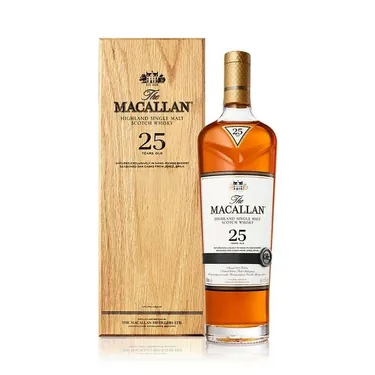
There are several main categories of liquor, each with unique characteristics and production methods. Whiskey is made from fermented grain mash and aged in wooden barrels, giving it a rich and complex flavor. Vodka, often made from grains or potatoes, is typically distilled to a high purity level and known for its neutral taste. Rum, distilled from sugarcane or molasses, has sweet undertones and is especially popular in Caribbean regions. Gin is flavored with botanicals like juniper berries, providing a distinctive herbal profile. Tequila and mezcal, made from agave plants, are central to Mexican culture and cuisine. Brandy, made by distilling wine or fermented fruit juice, is often consumed as a digestif.
Culturally, liquor holds a unique place in societies across the globe. In many Western countries, it is associated with social gatherings, holidays, and rituals. In Eastern traditions, such as in China or Japan, distilled spirits are often part of formal banquets and ancestral ceremonies. Liquor also features prominently in the world of art and literature, often symbolizing both celebration and excess. Prohibition-era America, for instance, highlighted the contentious relationship society can have with alcohol, ultimately demonstrating how deeply liquor is embedded in cultural norms and conflicts.
Despite its long-standing place in society, liquor also presents challenges, particularly concerning health and responsible consumption. Excessive drinking is linked to numerous health issues, including liver disease, addiction, and impaired judgment. Most governments regulate the production, sale, and consumption of liquor through taxation, legal drinking ages, and public health campaigns. In recent years, there has also been a growing trend toward moderation, with many consumers seeking low-alcohol or alcohol-free alternatives.