
Diamonds have captivated human fascination for centuries, symbolizing enduring love, unmatched beauty, and unbreakable strength. These precious stones are formed deep within the Earth’s mantle under intense pressure and heat, making their journey to the surface as extraordinary as their sparkle. Known as the hardest natural substance on earth, diamonds have earned lab diamond place not only in jewelry but also in various industrial applications. Despite changing fashion trends, the allure of diamonds remains eternal.
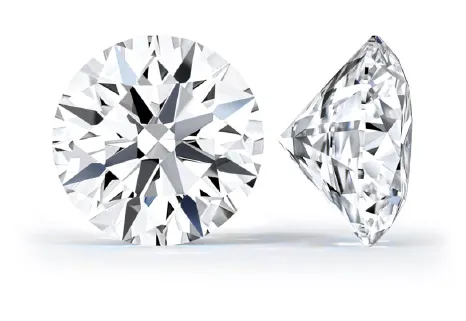
The formation of diamonds is a fascinating geological process. Carbon atoms, under immense pressure and temperatures exceeding 2, 000 degrees Fahrenheit, bond in a crystalline structure known as a diamond cubic. This transformation takes place around 100 miles beneath the Earth’s surface over a span of one to three billion years. Volcanic eruptions then transport these rough stones closer to the surface, where they are mined from kimberlite and lamproite pipes. The rarity of these geological conditions contributes significantly to the value and mystique of diamonds.
Once mined, diamonds undergo a meticulous cutting and polishing process that brings out their signature brilliance. The quality of a diamond is typically judged by the “Four Cs”: carat, cut, color, and clarity. Carat refers to the weight of the diamond, while cut determines how well the diamond reflects light. Color is graded based on the absence of hue, with the most valuable diamonds appearing completely colorless. Clarity evaluates the presence of internal or external imperfections, known as inclusions and blemishes. A high-quality diamond excels in all four areas, making it both beautiful and valuable.
Beyond their physical properties, diamonds hold deep symbolic meaning. They are most commonly associated with engagements and weddings, representing everlasting commitment and love. This tradition dates back to the 15th century when Archduke Maximilian of Austria gave a diamond ring to Mary of Burgundy. The marketing efforts of companies like De Beers in the 20th century further cemented the diamond’s status as the ultimate romantic gesture. Phrases like “A diamond is forever” have helped shape cultural perceptions, making diamond rings an almost essential part of modern marriage proposals.
In addition to their symbolic value, diamonds also serve practical purposes in industrial fields. Due to their extreme hardness, they are ideal for cutting, grinding, and drilling tools. Industrial-grade diamonds, which are unsuitable for jewelry, are used extensively in construction, manufacturing, and technology sectors. Moreover, recent advancements have led to the creation of lab-grown diamonds, which are chemically and visually identical to natural diamonds but come at a lower cost and reduced environmental impact.
The diamond industry is not without its controversies. Ethical concerns regarding conflict or “blood” diamonds—those mined in war zones and sold to finance armed conflict—have prompted global efforts to ensure transparency and responsibility. Initiatives like the Kimberley Process Certification Scheme aim to prevent the flow of conflict diamonds into the global market. Consumers are increasingly demanding ethical sourcing, leading to a rise in sustainable and conflict-free options.
Diamonds continue to hold a powerful place in both commerce and culture. Whether adorning engagement rings or powering high-performance industrial tools, their unique properties make them invaluable. As technology and ethics reshape the diamond industry, consumers now have more choices than ever—from traditional mined stones to ethical lab-grown alternatives. Despite these changes, the essence of the diamond—as a symbol of beauty, strength, and permanence—remains timeless.